
Prison Arts Collective
About the Program
PAC began in 2013 with three art classes on one yard at the California Institution for Men in Chino, CA. Since then, it grew to offer arts programming in 17 California Correctional Facilities on more than 32 yards as well as 2 youth detention facilities and a Naval Brigg bringing arts and leadership training to more than 9500 incarcerated participants in CA.
Overview
Our Mission: Prison Arts Collective expands access to the transformative power of the arts by providing programming in prisons and for communities impacted by incarceration.
Our Vision: We envision a collaborative and inclusive society where everyone has access to the arts to promote wellbeing and empowerment.
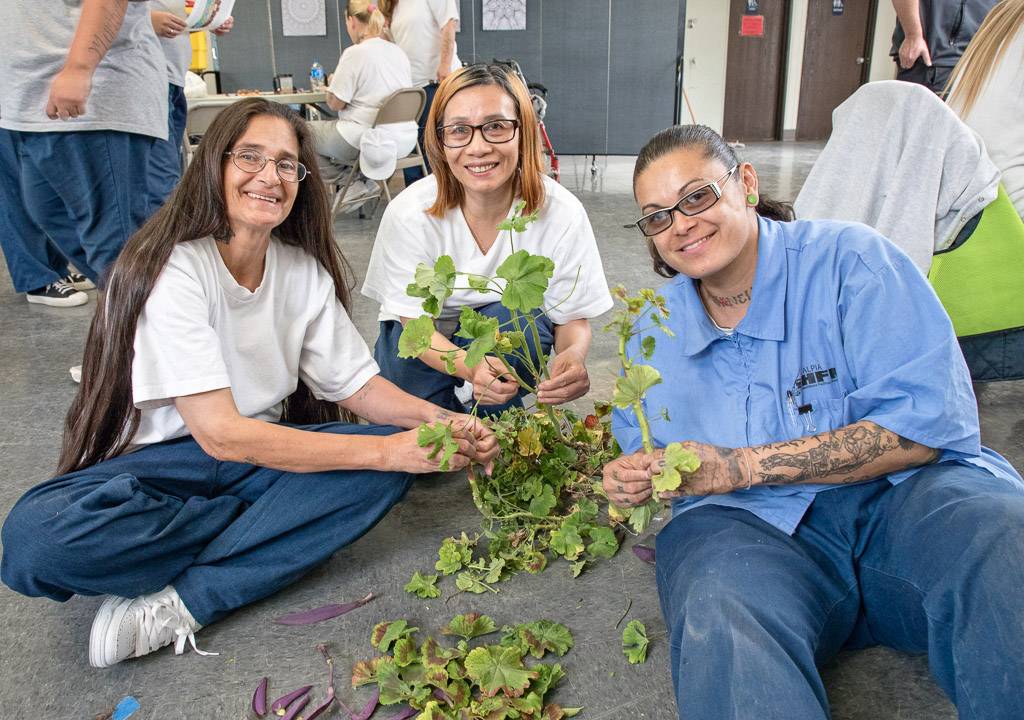
PAC’s 4-part lesson model
Prison Arts Collective designs our lessons to include four parts; we call it integrated arts.
The four parts are:- Safe Space (5-10 minutes)
- 2. Art History or Art Culture (10-15 minutes)
- Art Making or Creative Practice (majority of the time)
- Reflection (15 minutes)
Multidisciplinary art classes
PAC's multidisciplinary arts classes integrate creative practice, dialogue, and reflection. They are taught by collaborative pairs or teams that include university faculty and alumni, teaching artists, student assistants, and incarcerated peer facilitators. Classes include painting and drawing, collage, crafts, creative writing, theater, and more. The curriculum at each site is unique and responsive to the populations in each partner institution as well as the expertise of the teaching teams.
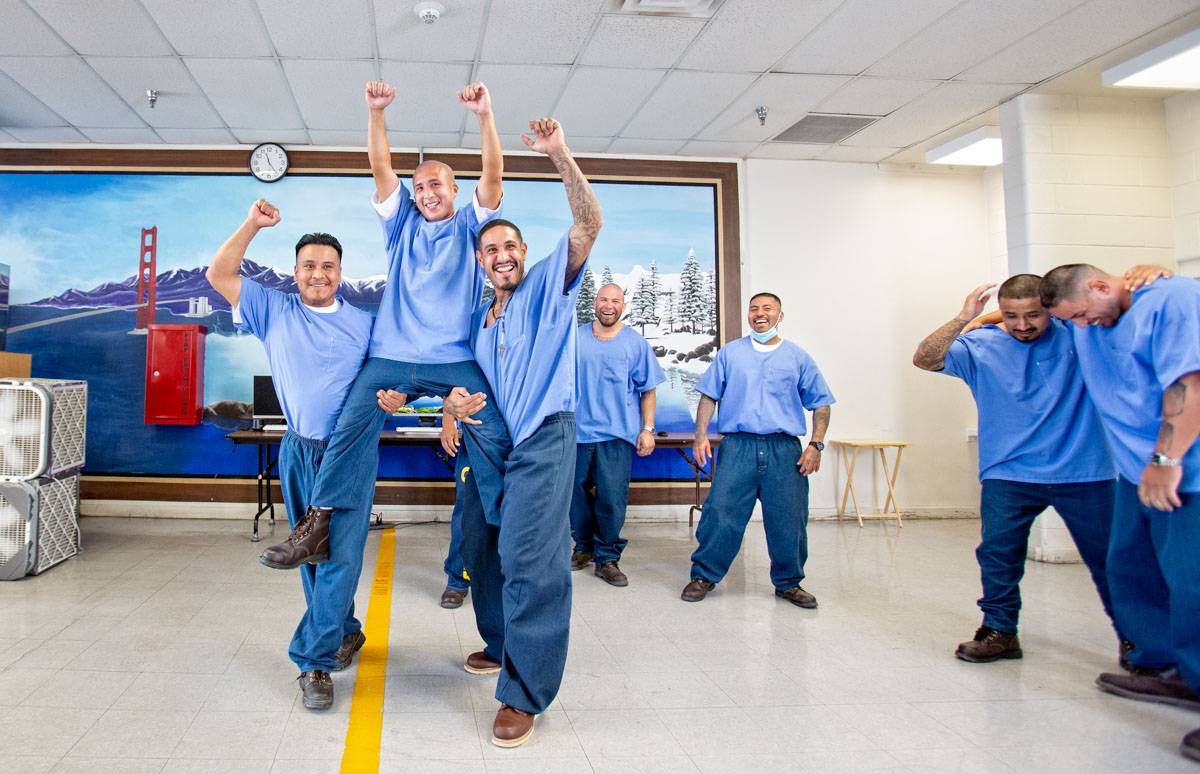
Collaborative Workshops
PAC's collaborative arts workshops provide the opportunity for participants in the prison to work together to envision and create one larger interdisciplinary art piece, often as a performance with visual elements.
These specialized workshops are guided by university faculty and teaching artists and provide participants with an opportunity to break out of individual art practice and work as a team on something totally new and different. The curriculum includes examples of collaborative art projects as well as a process for collective brainstorming and artmaking.
Facilitator Training
An extensive six-month training and apprenticeship for incarcerated participants with experience in the arts. The program provides the skills and knowledge to Facilitators to cultivate and sustain creative communities behind bars. The training offers university-level content in art education, dialogue and reflection, conflict resolution strategies, and leadership skills.
Guest Artist Workshops
An opportunity for university faculty and professional artists to support incarcerated participants by expanding their understanding of current art practices and ideas through lectures, performances, and workshops.
Funding
Prison Arts Collective (PAC) is a coordinating organization of Arts in Corrections at the California Arts Council. PAC is also supported by the California Department of Corrections and Rehabilitation and the National Endowment for the Arts.
PAC is based at San Diego State University with a research partnership at California State University, San Bernardino and a chapter at California Polytechnic State University Humboldt.
Impact
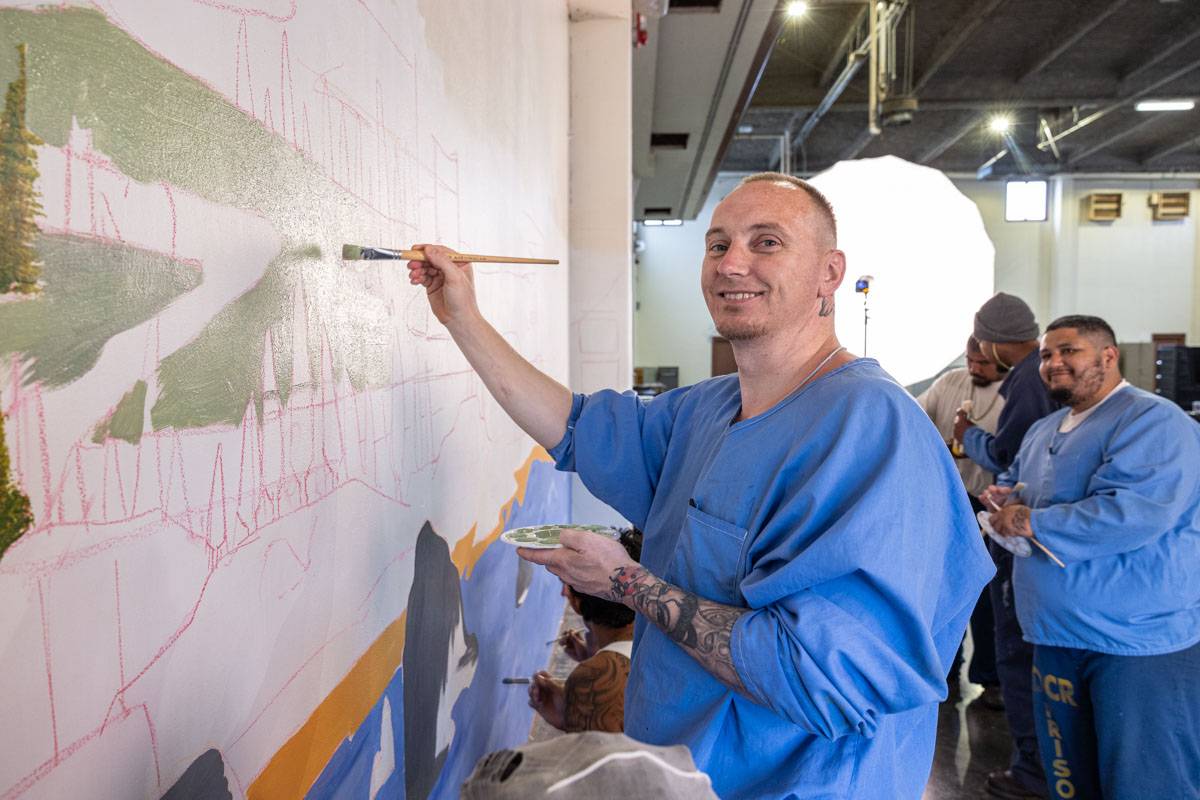
The following review is built from an analysis of survey feedback across multiple PAC program sites during Fall 2023. The review covered feedback from several yards across various prisons, including California Institution for Men, California Institution for Women, Pelican Bay State Prison, Centinela State Prison, and California State Prison - Sacramento. This review focuses on participants' experiences and perceptions of their respective classes.
Prior Art Experience: The surveys indicated a diverse range of previous art experiences among participants. For instance, at CIM, 20 out of 52 respondents had prior experience, while at PBSP, 10 out of 13 participants reported prior experience. At SAC C Yard, 6 out of 7 had previous experience, and at Centinela D Yard, most facilitators had experience ranging from school projects to tattooing. The variance in prior art experience indicates the program's inclusive appeal and accessibility.
Learning Interests: Participants expressed interest in various subjects, including technical skills like painting, drawing, sculpture, and creative writing, as well as specific types of art such as graffiti, portraiture, and multimedia arts. The interest in a diverse set of topics suggests curiosity and a desire for comprehensive artistic exposure on behalf of participants.
Programmatic Benefits: Participants frequently cited the social and emotional benefits of the classes, such as the opportunity to express creativity, the therapeutic nature of art, and the sense of community and mutual respect fostered among people experiencing incarceration. Specific elements like the quality of teaching, the structure of the classes, and the freedom to explore personal creativity were also highly praised.
Impact on Participants: Most participants suggested that the classes helped facilitate self-expression, with many participants noting improvements in their confidence, artistic skills, and emotional well-being. Engaging creatively within a structured environment provided a positive break from daily life inside prison. Participants consistently highlighted the personal growth and communal benefits derived from their involvement in PAC. Quotes like, “Art is universal. I’ve seen guys change that I didn’t think would,” and “Thank you for seeing us as people...worthy people,” illustrate the impact of the program on participants' lives, indicating that PAC programming fosters a sense of humanity and self-worth.
Suggestions for Improvement: Common suggestions included more consistent supply availability, better material quality, and increased class frequency. Several participants also requested expanded class content to cover more advanced or varied artistic techniques.
Feedback for Teaching Artists: Overall, participants appreciated the dedication and approachability of the teaching artists. Some feedback highlighted the desire for more precise instructions and more engagement from instructors (peer facilitators) in the creative process.
“I think this class is a wonderful opportunity to learn and bring out something positive out of us. This class has helped me with my rehabilitation in many ways. For example, meditation, relaxation, how to learn the different types of art, how to use and blend paint. But, overall, is how to bring out my hidden talent I didn’t know I had.”
Join Our Team!
Prison Arts Collective is looking for teaching staff, office support, interns, and volunteers. Please reach out to [email protected] for information on our current opportunities.
Related Articles
“Prison Arts Collective bridges the gap between incarcerated individuals and their communities” by Christian Mason, The Daily Aztec, December 12, 2025
“'More Than A Number' exhibition showcases Cal Poly Humboldt Prison Arts Collective art” by Sophie Lincoln, ABC 7 KRCR, February 16th 2023
“PRISON ARTS COLLECTIVE AND PEN AMERICA COLLABORATION ON NEW SEASON OF OUTSIDE:INSIDE RADIO” PEN America at 100, February 1, 2023
"Prison Arts Collective: Program Offers Incarcerated Artists a Platform For Self-Healing" by Edwin Chavez, San Quentin News, December 27, 2021
"'A Way to Deal With Emotion': How Teaching Art Can Help Prisoners" by David Smith, The Guardian, November 5, 2021
Program Photos
Follow us!